Matarecycler: Smart Recycling System for Cleaner Waste Management
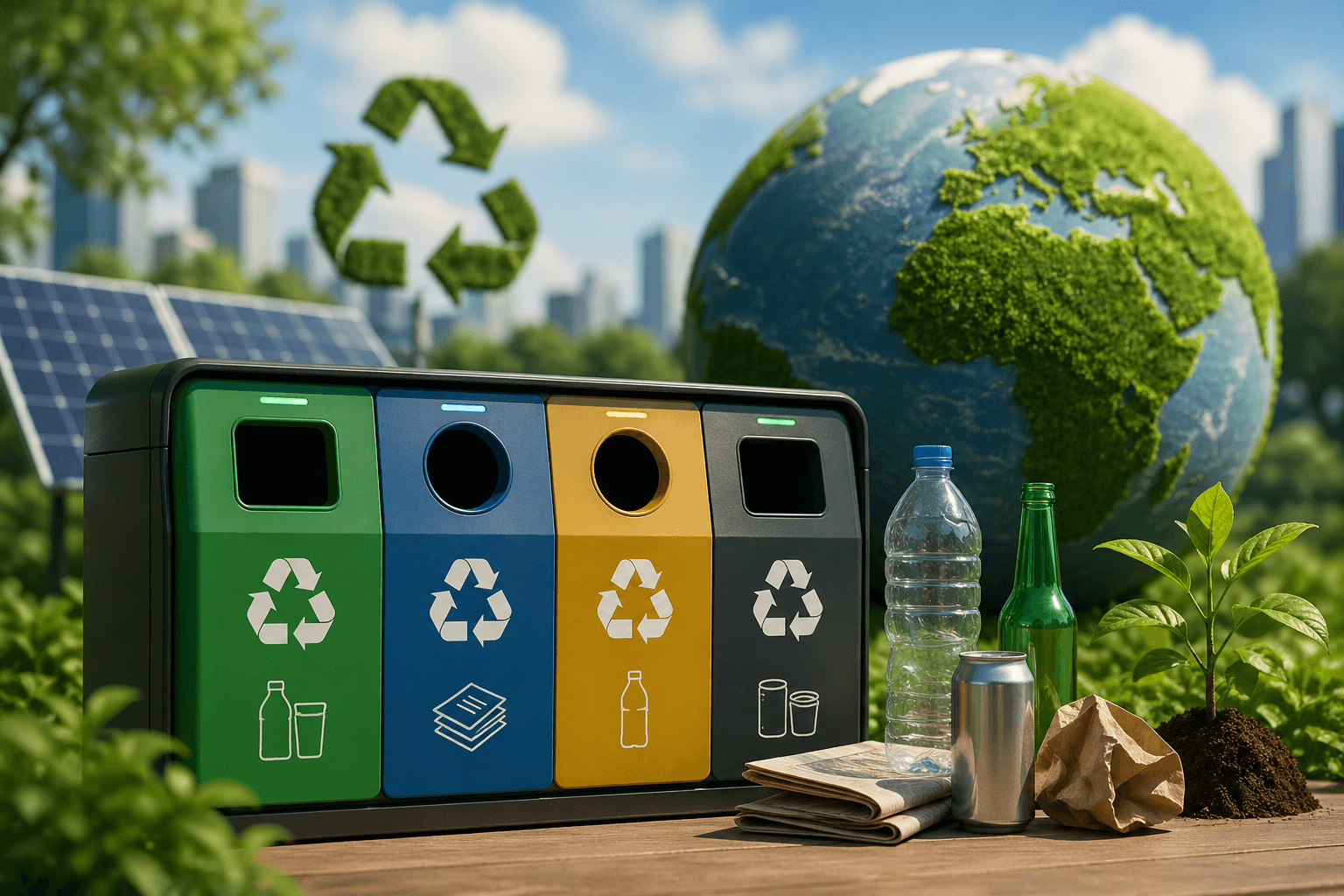
On the surface recycling seems simple. You throw a bottle into the bin and feel like you did something right. But the actual problem ensues after that. So many recyclable materials never get recycled because they are contaminated, co-mingled or placed in the wrong bin. Enter matarecycler! Online, it is called an intelligent recycling system incorporating AI, sensors, automation and data to simplify and streamline waste queuing processes. It’s a concept of not just picking up waste.
The purpose is to give people, businesses and cities the knowledge that they need in order to recover more useful material prior to landfilling it. A bunch of articles mention MataRecycler as an intelligent waste-management strategy based on the idea of better sorting and less contamination, alluding to 2023.
What Is Matarecycler?
Matarecycler is an innovative recycling platform that brings intelligence into how waste can be sorted, tracked and reused. Put simply, it recognizes elements such as plastic, paper, metal, glass, cardboard and organic. It then directs each item to the appropriate recycling stream. Conventional bins are subject to human decision-making. That is a poor system, considering that no one can know all the local recycling rule.
However, Matarecycler uses technology to tackle that issue. There are references to AI sorting, smart sensors, waste-reporting via an app, and real-time data. The value proposition is straightforward: less down-cycling, higher-quality recycled material, diverted from landfill.
Why Normal Recycling Often Fails
This is because most recycling systems rely on people to guess. One could toss a greasy pizza pie box into paper recycling. For example, one person might put plastic bags into a bin for bottles. For example, another may recycle a container without rinsing it of all food. These tiny errors lead to a large issue.
The U.S. EPA says non-recyclables can foul the recycling stream, damage machinery and increase processing costs. This is why matarecycler matters. You were not solving for imaginary problems. And it is tackling one of the biggest weaknesses in modern recycling: contamination, or wanted items getting into the process.
How Matarecycler Works
The core idea behind matarecycler is simple. Waste enters the system. The system checks what type of item it is. Then it sorts or guides that item into the right place. This can happen through smart bins, sensors, image recognition, AI software, or app-based reporting. A smart bin may detect when it is full. A camera may identify a plastic bottle. A dashboard may show waste teams which location has high contamination. This matters because recycling is not only about bins. It is about decisions, collection, transport, sorting, and reuse. Matarecycler connects these steps into a smarter process.
The Technology Behind Matarecycler
A strong matarecycler system would usually include four parts: sensors, AI recognition, data tracking, and user guidance. Sensors can detect fill levels, weight, or material movement. AI can help recognize items by shape, color, or material type. Data tracking can show how much waste is collected and where mistakes happen.
User guidance can help people learn what to do before they throw something away. This is the real strength of smart recycling. It does not only fix waste after it reaches a facility. It tries to stop mistakes at the first point, where the item is thrown away.
Why Waste Contamination Is a Serious Problem
Contamination means the wrong material enters the recycling stream. It can be food, plastic film, broken glass, dirty containers, or random trash. This creates extra work for recycling centers. It can also damage machines or make good material useless. The Recycling Partnership reports that only 21% of recyclable material is captured, and a large amount is lost at the household level.
That shows the problem clearly. People are not just failing to recycle. Many useful materials never reach the right system. Matarecycler can help by improving sorting accuracy before waste becomes too mixed to recover.
Matarecycler for Homes
Matarecycler can help eliminate the confusion whilst recycling in your own home. Every day a family may be handling bottles, cans, food boxes, shampoo containers, paper and delivery packaging. Not all those items go into the same bin. Some must be cleaned first. Many of them are not accepted for local recycling.
Smart recycling guide that allows you to reuse your waste more wisely. Such as reminding users to empty containers, keep paper dry, or not put plastic bags in mixed recycling. By this, you build better habits over time. The home generates less residual waste and sends through cleaner materials for recycling.
Matarecycler for Businesses
Businesses create waste faster than homes. Offices produce paper, cups, packaging, food containers, and electronic waste. Restaurants handle food scraps, bottles, boxes, plastic wrap, and takeaway packaging. Retail stores deal with cardboard, tags, product wrapping, and damaged stock. Matarecycler can help these businesses understand what they waste most.
A company can track which bins fill quickly, which departments create more waste, and which items cause contamination. This helps managers make better choices. They can change suppliers, improve bin labels, train staff, or reduce single-use items. That makes recycling more practical and less random.
Matarecycler for Schools and Colleges
Schools are a strong use case for matarecycler because students learn habits early. A normal recycling poster is easy to ignore. A smart system can make recycling more visual and interactive. Students can see which items go where. Teachers can use waste data in science or environmental lessons.
Cafeterias can separate food waste from packaging. Classrooms can manage paper better. This is not only about cleaning the campus. It teaches students how waste systems work in real life. When recycling becomes part of daily routine, students carry those habits outside school too.
Matarecycler for Cities
Cities need recycling systems that can handle thousands of bins and millions of decisions. A city cannot depend only on people reading small labels. It needs better collection planning, cleaner sorting, and stronger public education. Matarecycler can support this by giving city teams data.
For example, one area may have high plastic contamination in paper bins. Another area may need more glass collection points. Some public bins may fill before pickup day. Smart waste data helps cities respond faster. This can reduce overflow, missed collections, and landfill pressure. It also makes recycling services easier to improve.
Matarecycler and AI Sorting
AI sorting is already becoming important in recycling. Companies use cameras, machine learning, and robotic arms to identify and separate materials at high speed. For example, Glacier says its systems combine AI vision with robotics to recover more materials at lower cost.
Recycleye also describes AI systems that classify mixed recycling into many material classes. This shows why matarecycler fits the future of waste management. Manual sorting alone cannot solve every problem. AI can help facilities see more, sort faster, and recover items humans may miss.
Matarecycler and the Circular Economy
The Circular economy, of which recycling is only one part. In a circular economy, materials are retained in use for longer rather than becoming waste. The Ellen MacArthur Foundation circular systems continuously circulate products and materials (through aspects such as reuse, repair, remanufacture or recycling), retaining the value of each component.
Saying this, Matarecycler backs it by helping the useful materials back to the system. It could be a new packaging for your plastic bottle. Cardboard can be recycled into new paper products. You can melt down metal and re-use it. This loop is better sorted and helps to make it cleaner and more useful.
Real Example: A Shopping Mall Using Matarecycler
Imagine a busy shopping mall. Every day, visitors throw away drink bottles, food trays, paper receipts, cardboard packaging, cans, and leftover food. With normal bins, most of this waste gets mixed. Clean bottles touch food waste. Paper gets wet. Staff must handle messy bags. Now imagine the mall uses matarecycler.
Smart bins guide visitors with simple instructions. Sensors tell cleaning teams when bins are full. Data shows which food court areas create the most waste. Management can then place better bins, train vendors, and reduce contamination. The mall saves time and sends cleaner material for recycling.
Real Example: A Restaurant Using Matarecycler
A restaurant can also benefit from matarecycler. Restaurants often waste food, glass bottles, cardboard boxes, plastic packaging, and takeaway containers. Without a system, staff may throw everything into the same trash area during busy hours. A smarter setup can separate food waste from recyclables.
It can show staff where bottles, boxes, and plastic containers should go. It can also help owners see how much packaging they use each week. This information is powerful. The restaurant may switch to better packaging, reduce waste costs, and build a cleaner back-of-house process.
Key Benefits of Matarecycler
The biggest benefit of matarecycler is cleaner sorting. Cleaner sorting means more material can be recovered. It also means less money is spent fixing mistakes later. Another benefit is education. People learn by doing, not by reading long rules.
Smart guidance makes recycling easier at the exact moment someone throws something away. Businesses also benefit from waste data. They can see patterns instead of guessing. Cities benefit from better planning. Recycling centers benefit from cleaner streams. In short, matarecycler can improve the whole waste chain, from the first bin to the final processing facility.
Limits of Matarecycler
No system is perfect. Matarecycler still depends on good setup, correct local rules, regular maintenance, and user cooperation. If bins are poorly placed, people may still ignore them. If sensors are not maintained, data may become weak. If local recycling rules are unclear, even smart systems can give poor results.
Cost is another issue. Small businesses or towns may not afford advanced smart bins at first. This is why matarecycler should not be treated as magic. It is a tool. It works best when paired with clear signs, staff training, public education, and proper collection services.
How to Use Matarecycler the Right Way
To get value from matarecycler, users must keep the basics right. Empty bottles before recycling. Keep paper and cardboard dry. Do not place food waste with clean recyclables. Check local rules for plastic bags, cartons, foam, and mixed materials. Businesses should place bins where waste is actually created.
Schools should teach students with examples. Cities should use collected data to improve services. A smart system is only useful when people act on the information. The best results come when technology and daily habits work together.
Future of Matarecycler
The future of matarecycler could include smarter public bins, better recycling apps, AI-powered sorting lines, reward systems, and live waste dashboards. More businesses may use waste data to reduce packaging. More cities may use smart bins to plan collection routes. More schools may use recycling data for learning. The strongest future version will not just sort waste. It will help prevent waste before it happens. That is the real goal. Recycling is important, but reducing waste at the source is even better.
Conclusion
Matarecycler is useful because it focuses on the real problem behind recycling: wrong sorting, dirty materials, weak data, and poor habits. Normal bins are not enough anymore. People need clearer guidance. Businesses need better tracking. Cities need smarter systems. Recycling centers need cleaner material.
Matarecycler brings these needs together through smart recycling technology. It can help homes, schools, restaurants, offices, and cities reduce waste and recover more value. The key is simple. Better sorting creates better recycling. Better recycling creates less waste. And less waste creates cleaner communities.
FAQs
What is matarecycler?
Matarecycler is a smart recycling system or concept that uses technology to improve waste sorting, tracking, and material recovery.
How does matarecycler reduce recycling mistakes?
It can guide users, identify materials, track waste patterns, and help send items into the correct recycling stream.
Is matarecycler useful for businesses?
Yes. Businesses can use matarecycler to reduce mixed waste, improve staff habits, and track which materials they throw away most.
Can matarecycler help cities?
Yes. Cities can use smart recycling data to improve bin placement, collection schedules, public education, and contamination control.
Does matarecycler use AI?
Many descriptions of matarecycler connect it with AI, sensors, automation, and data-based waste management systems.
Is matarecycler enough to solve recycling problems?
No. It helps, but it must be supported by clear rules, clean habits, proper collection, and strong waste-management planning.