Babybelletje: Meaning, Uses, and Why Parents Love This Sweet Little Bell
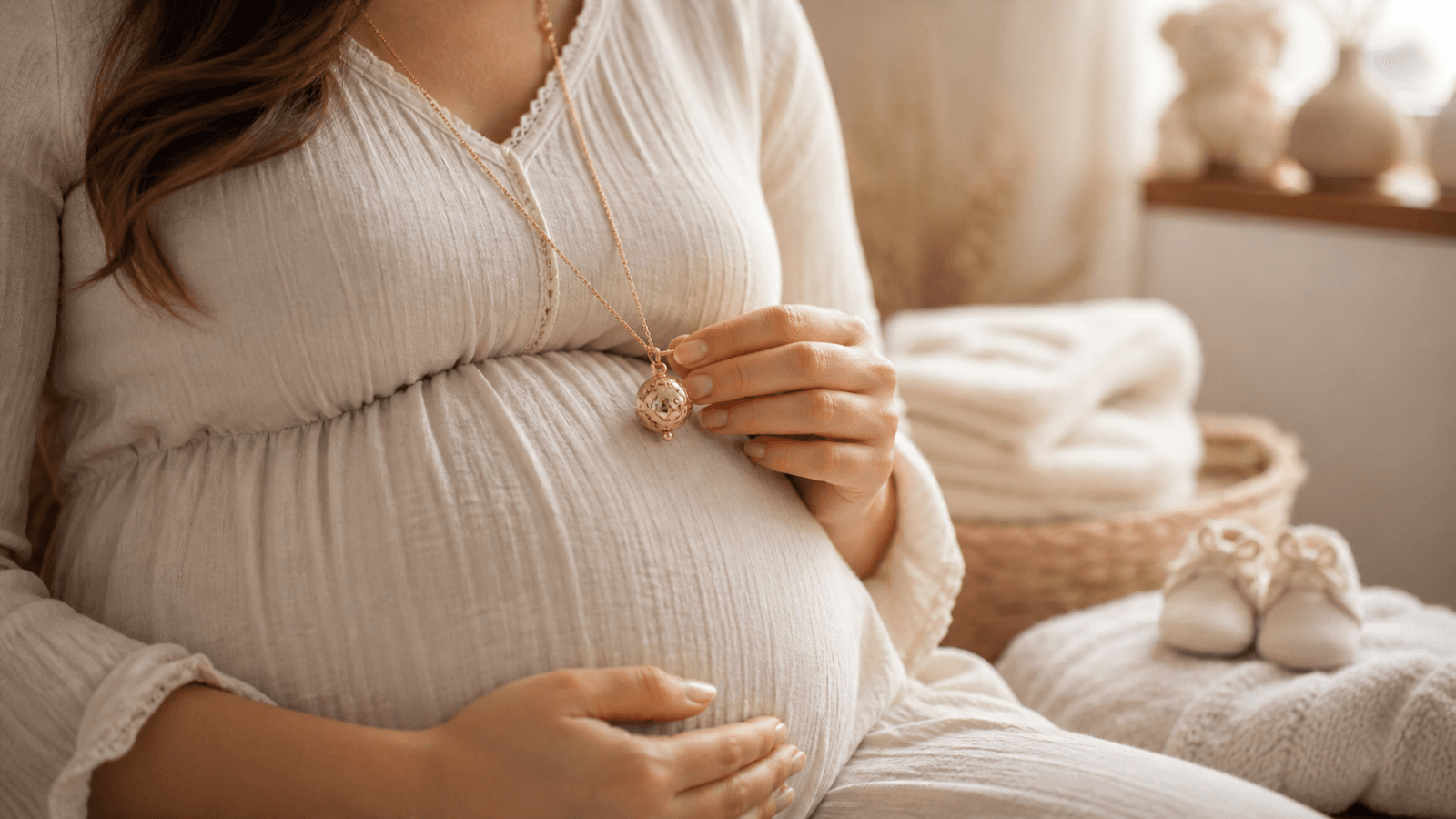
If you are used to gently ringing a small bell with the name of babybelletje, it refers to a kind of little baby drum often associated with parents, city sound and bonding. The word sounds soft, cute, and warm for a couple of reasons: it means “little bell” in Dutch where its root comes from (Dutch: belletje). A lot of people use it when referring to a pregnancy necklace (bola or baby bell). It rings lightly when the mother moves.
Some parents like it because its intimate and serene during a pregnancy. Some save it from later, as a memory from those lovely days. In this guide, we break down what it is, how people use them, and important things to consider before purchasing one. Some Dutch pregnant supply websites explain the necklace as a pendant bell that chimes lightly in proximity to the stomach.
What Does babybelletje Mean?
Tradition definition it simply means a small bell associated with the infant or pregnancy. In everyday usage, it usually refers to some small bell type on a long necklace. It is close to the belly and creates a subtle chime sound. Most of this mothers enjoy this sound cause allows a peaceful break on the busy life. The idea is simple.
As a mother walks, sits or shifts position, there is a little bell tinkle. It becomes part of her pregnancy NPR routine, almost like a private private signal from mother to child. This is not a rule or something you must have. It’s less like a sweet rod.
Where Did the Idea Come From?
The idea behind babybelletje is often linked to old traditions around pregnancy bells. A similar item is known as a Mexican bola necklace. In many stories, the bell was seen as a symbol of luck, care, and protection. Today, most people do not wear it for magic. They wear it because it feels meaningful. It can mark a new chapter in life.
It can also remind the mother to slow down and enjoy small moments. That is why this little bell still feels special in modern homes. Families may not follow every old belief, but they still enjoy the tender feeling behind the sound.
Why Do Pregnant Women Wear It?
A lot of pregnant women wear a babybelletje, as it gives an image of peace and beauty. It is not a medical item. Rather, it more resembles a cherished trinket. The necklace is generally worn long, so the pendant can rest near the baby bump. It emits a faint sound as it moves.
A number of mothers claim that the sound keeps them close to their baby. Some people just like the way it looks with their maternity clothes. It may even become a daily ritual. When mother is laying, resting or reading and she touches the bell; or when she talks to her baby. Which can feel cozy, slow and steady throughout pregnancy.
Can the Baby Hear the Bell?
This is a question you see regularly along the lines of babybelletje. You start to hear a bit when pregnant inside your mothers womb, though sound waves in the womb are not the same as outside. Many sounds are made softer by the fluid and tissue of the mother’s body.
According to Mayo Clinic: A baby may start hearing behind the 18-week mark, and may move in reaction to certain sounds — like a voice — around 25 weeks. Meanwhile, HealthyChildren — from the American Academy of Pediatrics — adds that ambient sounds outside become more evident at a later period than 26 weeks, about 27 to 29 weeks. Therefore, the bell should not be treated as an established means of training a fetus.
Is It Safe to Wear?
In the majority of cases, a babybelletje is completely safe to use as everyday jewellery. The trick is to opt for a smooth pendant, a robust chain and skin-friendly materials. Stay away from sharp edges, flimsy clasps and cheap metal that could rub the skin. It should not feel heavy, nor tug on the neck. Following birth, at no point should you leave a long chain near a baby without supervision.
Small parts can be grabbed, pulled, thrown or ingested by babies. Consider it no different than a piece of jewelry you would wear. The second, while it can be quite adorable, is not a toy unless made and safety tested for baby use. Because you are not sure, seek advice from a midwife or physician.
How to Choose a Good babybelletje
A good one should feel light, smooth, and comfortable. Look for a pendant that gives a soft sound, not a loud ring. The chain should be long enough to reach the belly, but not so long that it catches on things. Many parents like silver, gold-tone, rose gold, or simple neutral colors.
Some choose a heart, moon, star, or tiny feet design. The best choice is the one that feels personal to the mother. Before buying, check the material, clasp, and product details. A pretty necklace is nice, but comfort and safety should come first. It should feel easy to wear.
When Should You Start Wearing It?
There is no one rule to wear this necklace. Now some mothers are beginning in the second trimesterwhen the belly is showing more. Others prefer to hold off until later when pregnancy seems more tangible, and life is impacted on a daily basis. When you do it is a matter of comfort and preference.
Wear the necklace for subdued moments, family photos or baby shower events if it brings you joy. If it is irritating your neck or skin take it off. There are already a lot of body changes due to pregnancy. A memento is supposed to make the day easier, not more stressful, or heavier on the stomach. Use this time as you feel fit.
A Sweet Gift for New Mothers
A babybelletje can be a thoughtful gift for a pregnant friend, sister, wife, or daughter. It feels more personal than many common gifts because it carries meaning. It can say, “I see this special time in your life.” It also works well for a baby shower, gender reveal, or simple surprise.
To make the gift better, add a small note explaining the idea behind the bell. Keep the message honest and gentle. Do not promise that it will calm the baby or bring health benefits. Say that it is a symbol of love, memory, and connection. That makes the gift feel sincere.
Modern Uses After Birth
Many parents keep a babybelletje after the baby is born. Some place it in a memory box with hospital bands, first photos, or tiny socks. Others wear it on special days to remember the pregnancy. Some hang it safely as room decor, far away from the baby’s reach.
A few parents use the soft sound during calm cuddle time, but only while holding it themselves. The main value after birth is memory. It becomes a small object with a big story. Years later, it can remind the family of the months before the baby arrived, when hopes, names, and dreams were still growing.
Common Mistakes to Avoid
One mistake is buying a babybelletje only because it looks trendy. A better choice is one that feels comfortable and well made. Another mistake is thinking the bell has proven powers. Dutch pregnancy guidance notes that there is no research proving pregnancy necklaces have a calming effect, and that soft high sounds may not travel clearly through the womb. That does not make the necklace useless.
It only means parents should enjoy it for what it is: a keepsake. Some people also choose chains that are too long or pendants that feel too heavy. After birth, never treat it like a baby toy.
babybelletje and Emotional Bonding
Having a small relic can help to foster emotional ties in a convenient manner. The value of the metal or the sound is not where it really lies. When does it reach this point? A mother can touch the pendant and feel like she is stopping to take a deep breath and think about her baby. That little habit can become a daily reminder of love. Partners can participate as well by talking, singing or reading to the baby bump.
According to HealthyChildren, familiar music and books, as well as a parent’s voice that can bring comfort post-birth, but also tells the parents what should be loaded in their own gun before birth—bonding not teaching. A good, neutral perspective.
How to Care for It
As long as you are kind to your babybelletje it is very simple. Try to keep it dry, and take it off before showering or swimming. Store in a soft pouch to prevent scratches. For silver pendants, use a quality jewellery cloth.
Follow the seller’s care notes if the piece has stones, colors or is plated. If the material allows for harsh cleaners, do not use any. Occasionally inspect the clasp and chain. A little care maintains the lustre of the necklace, especially if you want to save it for posterity. Memories last a great deal longer with small care.
Conclusion
The that being said, a babybelletje is an time with warm sense. It is a gift of jewelry, of pregnancy memories, a tender gift and a sweet symbol of connection. The gentle chime might allow to breathe easier during your everyday moments, but must be treated like a souvenir, instead of medicine. Decide on one that sits well with you, is secure and filled with purpose.
Wear it in joy and keep it as a keepsake when the baby comes. Ultimately, the best thing doesn’t even have to do with the bell. What it is — is the love, hope and memory joined with it. This is why many parents still find it quite charming.
FAQs
1. What is a babybelletje?
A babybelletje is a small pregnancy bell necklace. It makes a soft sound near the belly and is often worn as a sweet keepsake during pregnancy.
2. Why do mothers wear a babybelletje?
Many mothers wear it to feel closer to their baby. The gentle sound can make pregnancy moments feel calm, personal, and memorable.
3. Is a babybelletje safe?
Yes, it is usually safe as jewelry. Choose smooth, skin-friendly materials and never let a baby play with it after birth.
4. When should I start wearing it?
You can wear it anytime during pregnancy. Many mothers start in the second trimester when the belly begins to grow more.
5. Can the baby hear the bell?
Babies may hear some sounds later in pregnancy, but the sound is softened inside the womb. It is best seen as a keepsake, not a proven tool.
6. Is it a good gift?
Yes, a babybelletje is a lovely gift for a pregnant mother. It feels personal, meaningful, and can become a special memory after birth.