Acamento: Meaning, Uses, and Why Final Touches Matter
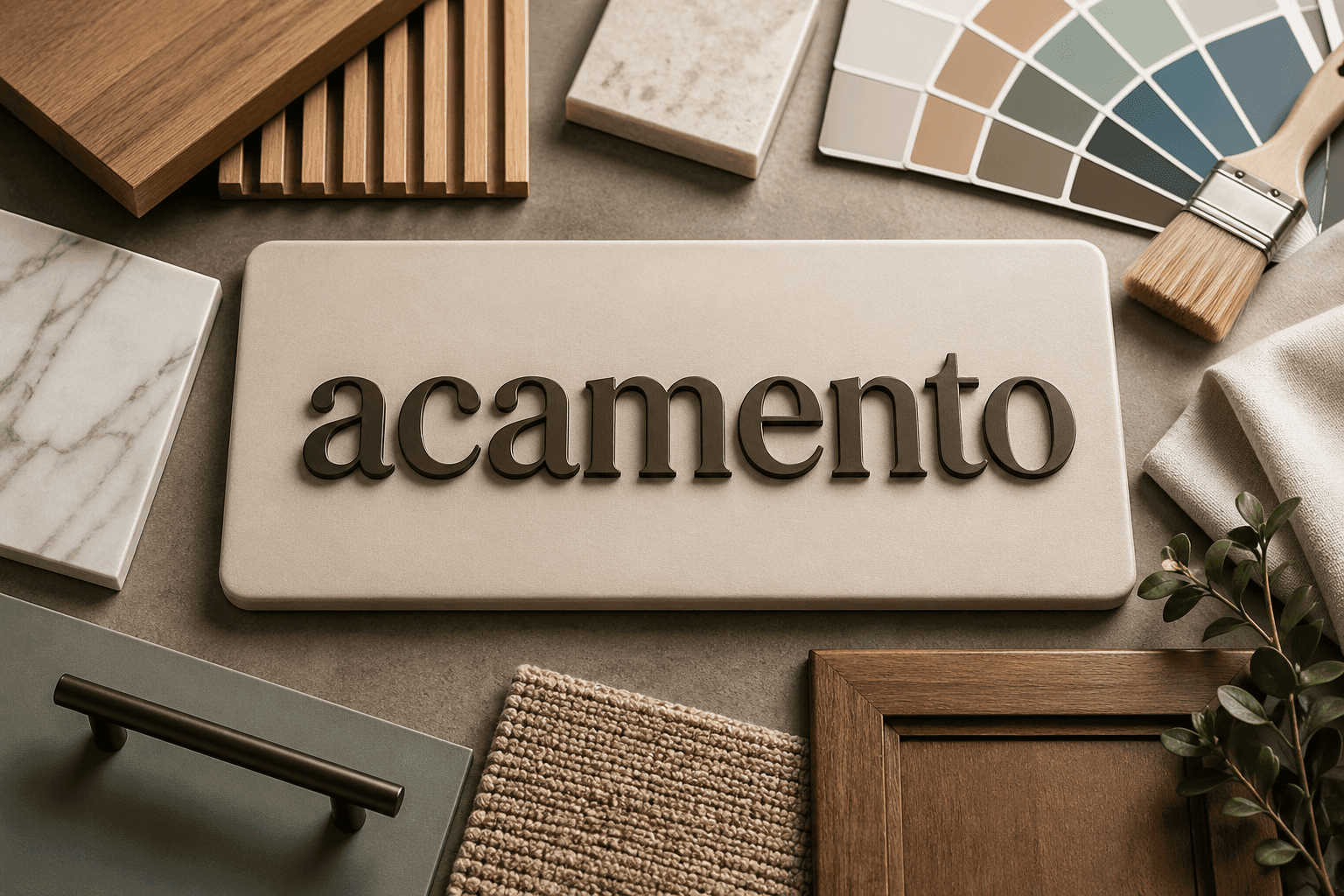
Acamento is about the final touch that makes something feel complete, clean, and well-made. The word is often linked with the Portuguese word “acabamento,” which means finish or finishing in English. Dictionaries also connect “acabamento” with ideas like polish, workmanship, refinement, and surface finish. In simple words, it is the part people notice after the hard work is done.
A wall may be built, but paint makes it beautiful. A table may be shaped, but smooth edges make it safe. A website may work, but clear design makes it easy to use. That final care can change everything.
What Does Acamento Mean?
Acamento translate to completing an act with manner, flair and caution. It is not a clicked IELTS exam or checked in done. It is about improving the output before anyone sees it or ever uses it. Think about a handmade chair. The solid wood frame is great, but ragged corners do not look well done. The chair feels almost complete, ready only for sanding and painting and polishing, as the makerhand does.
Now, this is the true sense of acamento. It turns unfinished work into finished work. This concept is found in homes, clothing, crafts, products and online projects. Even the littlest things, while easy to overlook, can be the difference in how people react to the end product.
The Origin Behind the Word
The root idea comes from “acabamento,” a Portuguese word used for finish, finishing, workmanship, and final details. In many examples, the word is used for furniture, paint, clothes, walls, and design surfaces. Reverso gives examples where acabamento is used for a smooth wood finish, textured interior finish, and dress details.
Over time, people started using acamento as a simpler style word for the same idea. It points to the last layer of work that gives quality and beauty. This makes the word useful across many fields. It can describe a polished room, a clean brand design, or a better user experience.
Why Final Touches Matter
First impressions are often made through final touches in design. The quality of what they touch and feel is always judged. If the phone cover has sharp corners then it will feel bad having a phone with them. A room with crisp paint edges looks a lot fancier than one with sloppy cut lines. You trust a clean print package more than an a clean printing color package.
Acamento helps create that trust. It demonstrates that the maker was so considerate as to elevate the little things. This does not imply that every project should be an expensive one. Clean, balanced and purposeful work always looks good, even the simplest things.
Acamento in Home Design

In home design, acamento may impose paint,หลายเพื่อเคมีผงไหล tile trim lighting flooring and floor texture surface. And these details are what can take an otherwise simple room and imbue it with warmth and completeness. An example of this is how empty a plain white wall can appear,but soft lighting and neat edges can completely transform the way the space feels. Cabinets for eyes born but strong, handles backsplash counter edges make it a kitchen. This same concept is for bathrooms, bedrooms and outdoor spaces.
Finishing therefore also helps with durability and safety. Smoother surfaces are easier to maintain. Sealed wood lasts longer. Clean corners reduce damage. Here function and beauty goes hand in hand.
Acamento in Fashion and Products
In fashion, acamento appears in stitching, buttons, fabric edges, color balance, and fit. A dress may have a nice shape, but loose thread can make it look cheap. A jacket may use good fabric, but poor lining can ruin comfort. Product design works the same way. A notebook with strong pages feels better when the cover is smooth and clean. A bottle label looks more professional when the print is sharp.
These finishing details help people trust the product. They also make the item easier and nicer to use. Good finishing does not shout. It quietly improves the whole experience.
Acamento in Digital Design
Digital design also needs finishing touches. A website may load, but it still needs clear menus, readable text, clean spacing, and simple buttons. Without those details, users may leave quickly. Acamento in digital work means checking how everything feels after the main build is done. Are the pages easy to read? Do images match the topic? Are forms simple? Is the mobile version clean? These small checks make a big difference.
A polished website feels more helpful and trustworthy. It also helps visitors move from one page to another without confusion. A good digital finish respects the reader’s time.
Acamento in Business and Branding
Brands use acamento when they shape their final look and message. This can include logo use, packaging, tone, colors, customer emails, and social posts. A business may offer a great product, but weak presentation can lower trust. Clear labels, neat product photos, and friendly wording help people feel safe before buying.
For example, a bakery with clean boxes and warm notes may feel more caring than one with plain wrapping. A service company with simple forms and clear instructions feels easier to work with. The final polish tells customers, “We care about your experience.” That message can build long-term trust.
How Acamento Improves Quality
Quality is not only about strong materials. It is also about how those materials are completed. A wooden table needs good joints, but it also needs smooth sanding and a protective finish. A wall needs firm plaster, but it also needs even paint. A brand needs a clear idea, but it also needs consistent design.
Acamento improves quality by removing rough parts before the final result reaches people. It helps catch small errors that may turn into bigger problems later. This final review can save time, money, and reputation. Good finishing is often the quiet difference between average and excellent work.
Common Mistakes to Avoid
Many people rush the final stage because they feel the main work is already done. This is a common mistake. A project can be almost complete but still feel weak if the finish is poor. Uneven paint, messy spacing, unclear labels, weak packaging, or bad editing can hurt the whole result. Another mistake is adding too much. A finish should improve the work, not make it heavy or confusing. Simple is often better. The best acamento feels natural. It supports the main purpose and helps people enjoy the result. Care, balance, and testing are more useful than random decoration.
How to Apply Acamento in Real Life
Start by asking one simple question: what would make this feel complete? For a room, the answer may be better lighting or smoother paint edges. For clothing, it may be neat stitching or better fitting. For writing, it may be clearer headings and shorter sentences. For a website, it may be better spacing and faster loading.
Acamento works best when you look at the project through the user’s eyes. Touch it, read it, test it, and notice what feels rough. Then address the minor issues one at a time. This method is simple, but it can make any project feel more professional.
Why Acamento Matters Today
People today have many choices. They can compare products, services, websites, and brands in seconds. This makes finishing more important than ever. A clean final result can help people trust you faster. It can also make your work easier to understand and enjoy. Acamento matters because it shows respect for the person using the final product.
It says the work was not rushed. It says the details were checked. In a busy world, careful finishing can help simple ideas stand out. Whether you build, design, write, sell, or create, the final touch can shape the whole experience.
| Acamento – Quick Overview | |
|---|---|
| Main Keyword | acamento |
| Meaning | Final touch, finish, or polishing detail |
| Related Word | acabamento |
| Language Link | Portuguese |
| Main Idea | Making work look complete, clean, and refined |
| Used In | Home design, fashion, products, branding, and digital design |
| Common Examples | Paint finish, smooth edges, neat stitching, clean packaging |
| Main Benefit | Improves quality, trust, beauty, and user experience |
| Best For | Designers, builders, brands, creators, and homeowners |
| Simple Explanation | Acamento is the finishing care that makes something feel complete |
Conclusion
Acamento is the art of making work feel complete. It is not only decoration. It is care, polish, quality, and clear thinking. The idea can be used in home design, fashion, products, websites, branding, writing, and daily tasks. A strong finish helps people notice value faster. It also protects your work from looking rushed or careless. The best part is that anyone can use this idea.
You do not need a large budget. You need patience, clean choices, and a habit of checking details. When the final touch is done well, ordinary work can feel thoughtful, useful, and memorable.
FAQs
What is acamento in simple words?
Acamento is the finishing touch that improves something’s appearance, feel, and functionality. It can be used for design, products, homes, clothes, websites, and creative work.
Is acamento the same as acabamento?
The idea is closely linked to “acabamento,” the Portuguese word for finish or finishing. Acamento is often used as a simplified term inspired by that meaning.
Where can acamento be used?
It can be used in many places, such as home interiors, furniture, fashion, packaging, branding, digital design, writing, and customer experience.
Why is finishing important in design?
Finishing is important because people notice small details quickly. Smooth edges, clean colors, clear spacing, and neat surfaces make work feel more trusted.
Does acamento always cost more?
No, it does not always need more money. Many improvements come from better cleaning, checking, arranging, editing, polishing, or removing messy details.
How can I improve acamento in my work?
Look at your project like a user. Check what feels rough, unclear, messy, or incomplete. Then improve those small details before sharing it.