Ciulioneros Meaning: 12 Fascinating Facts About Its Mysterious Culture
The word ciulioneros feels mysterious at first. Many people see it online and wonder what it means. Some use it to describe a cultural group, while others connect it with heritage, art, stories, and shared identity. That is why the term needs a simple and careful explanation. It should not be treated like a fully documented historical name without proof.
Instead, it can be understood as a cultural idea linked with community, memory, creativity, and belonging. This guide explains the topic in plain words, so every reader can follow it easily. You will learn its possible meaning, cultural value, daily life, traditions, food, music, stories, and modern use.
What Does ciulioneros Mean?
Ciulioneros is not a term bound to just one single, exacting place. It is usually an ethnic word, of people or custom and many like a particular cultural style. Simply put, it can refer to a community that cherishes stories and family, loves art and local identity. And others associate with it old traditions learnings, hand-made crafts, festivals and strong social bonds.
Some are claiming it is a paradigm that developed organically through interest and conversation like any modern technological concept. Due to the uncertainty regarding its source, this should be explained cautiously. Perhaps the safest way to understand it this is as a representation of culture; pride, collective moniker.
Why the Term Gets Attention
However, more than anything else, ciulioneros has the ring of being exotic or unusual, and people are fascinated by that. This also imparts a sense of buried history amongst its readers. So many people love to read about communities that are not typically highlighted in mainstream travel guides or history books.
The term also seems apt, as it too has an air of mystery. People want more when a word is not fully parsed. This inquisitiveness is the gateway into knowing about identity, language, food, sound systems, attire and folklore. It also reminds us culture is not sitting in a big museum somewhere. Often, it existed in the subtle things I was doing every day.
The Possible Cultural Roots
Ciulioneros are often associated with culture, family life and down-home pride. This may involve stories passed down from the older generations, songs sung together in gatherings, and mannerisms performed on significant days. These names often blossom out of the vernacular or group identity in this culture.
They can also mutate as individuals interact, cross-pollinate and exchange ideas. This makes the term loose and instantly difficult to pinpoint. A judicious reader does not take every overblown claim at face value. Even so, the principles underlying the word can be a guide for your understanding of how people safeguard memory and meaning.
Community Life and Shared Values
There’s often a lot of trust, help and respect in a good community. Similar concept is often associated with ciulioneros. This cultural picture is a very different one — in the kind of culture that gets played out from generation to generation, people are not only living for themselves. They cook together, celebrate events together, offer a helping hand during challenging periods and pass on values to generations below.
Children can be guided through stories and lessons from daily experiences by elders. Families will sit around for dinner, music or any seasonal festivities. Even if these moments appear insignificant, they make stronger bonds. Culture no longer just lives in books, but becomes something you can feel every day out there.
Storytelling and Oral Tradition
As an idea, storytelling is one of the richest parts ciulioneros culture. Through stories people can remember their origins & values. For example, a grandmother might tell a story about bravery. For example, a father might explain something he learned as a young boy. An artist local to the area can transform past memories into a piece of music or artwork. They often serve to teach about kindness, patience, bravery and respect.
They also keep language alive. Once stories are told, they become woven into the fabric of a group life. Which makes oral tradition so incredibly important in a cultural identity.
Clothing, Colors, and Handmade Art
Clothing and handmade art can show identity without using many words. In discussions about ciulioneros, people often imagine bright patterns, handwoven details, masks, embroidery, or symbolic designs. These items may tell stories about nature, family, faith, or local history.
A simple cloth can carry deep meaning when it is made by hand. Colors may show joy, respect, hope, or memory. Handmade work also supports local artists and keeps old skills alive. When younger people learn these crafts, they do more than copy designs. They continue a living tradition with their own hands.
Food and Daily Traditions
Food, aside from being one of the universal languages, is one of the simplest ways to dive into any kind of culture. Ciulioneros can relive within you a meal patiently prepared around a table, in combination with the family memories. Traditional food that is associated with simplicity and locally produced ingredients.
A dish could evoke memories of a festival, grandparent, or childhood house. Food is also a unifier when the words are insufficient. A meal can express hospitality, love and respect. Even the little things, like making bread or serving tea, become sacred rituals when they are done with intention every day.
Music, Dance, and Celebration
Movement enables memory, memory turns into music and dance. Ciulioneros may celebrate with drums, singing, clapping or dancing in groups. These actions encourage a sense of togetherness among people. A festival is not just about fun. It can also represent harvest season, family gatherings, spiritual occasions or the success of a community.
Music is the voice that has everybody rejoice and feel in pain. Dance develops rhythm, discipline, and unity. When people gather to celebrate they remind each other that culture is still alive. It is not frozen in the past.
Modern Identity and Online Interest
Today, many cultural words grow faster because of the internet. That may be one reason ciulioneros has gained attention. People see the term in articles, posts, and search results, then they try to understand it. Online interest can help a rare idea reach more readers. It can also create confusion when facts are not checked.
This is why modern readers should enjoy the topic while staying careful. A word can be meaningful even when its full origin is unclear. The best approach is to respect the idea, avoid false claims, and keep learning.
Common Misunderstandings
One common mistake is treating ciulioneros as a fully proven historical group with one official story. Another mistake is ignoring the word because its origin is unclear. Both views are too simple. Some cultural terms are messy because language changes over time. People use words in new ways, especially online.
A better approach is to ask clear questions. Who uses the word? Where is it used? What meaning does it carry? Is there proof from trusted sources? These questions help readers stay fair. They also protect culture from being copied or explained wrongly.
Why Cultural Words Matter
Words like ciulioneros matter because they show how people search for identity. A single word can hold memory, pride, mystery, and emotion. It can also remind us that not every culture is easy to define. Some traditions live in stories, songs, food, and family habits. They may not always have official records.
That does not make them worthless. It simply means we should handle them with respect. When we study cultural words, we learn more than definitions. We learn how people belong, remember, celebrate, and pass meaning to the next generation.
How to Learn More Respectfully
Stay open and cautious – this is by far the best way to learn about ciulioneros. Read different sources, do not take every claim at once. Seek out local voices, interviews, books and cultural archives as real examples. Let me clarify: if people are using it to describe themselves, listen instead of judging. Respect is better than a quick-fix.
Do not make culture trendy or like it is a costume. Find out about where a practice comes from and why it matters? This practice fosters honest learning amongst its readership. It also allows space for real-life, actual experiences and genuine significance.
Conclusion
The ciulioneros saga is bettered understood as a cocktail of mystery, culture, identity and collective memory. The specifics of its origin might remain a little hazy, but the principles attached to it are straightforward to appreciate. They are main aspects of human life: Community, art, and food, music and tell stories and And respect. They connect people with the past, with other time.
This term also teaches us an important lesson — we need to tread carefully when exploring culture instead of making rushed claims. Continue to question, continue to read credible sources, and continue to listen to those who are living the traditions. And that is how the deep understanding develops.
FAQs
1. What does ciulioneros mean?
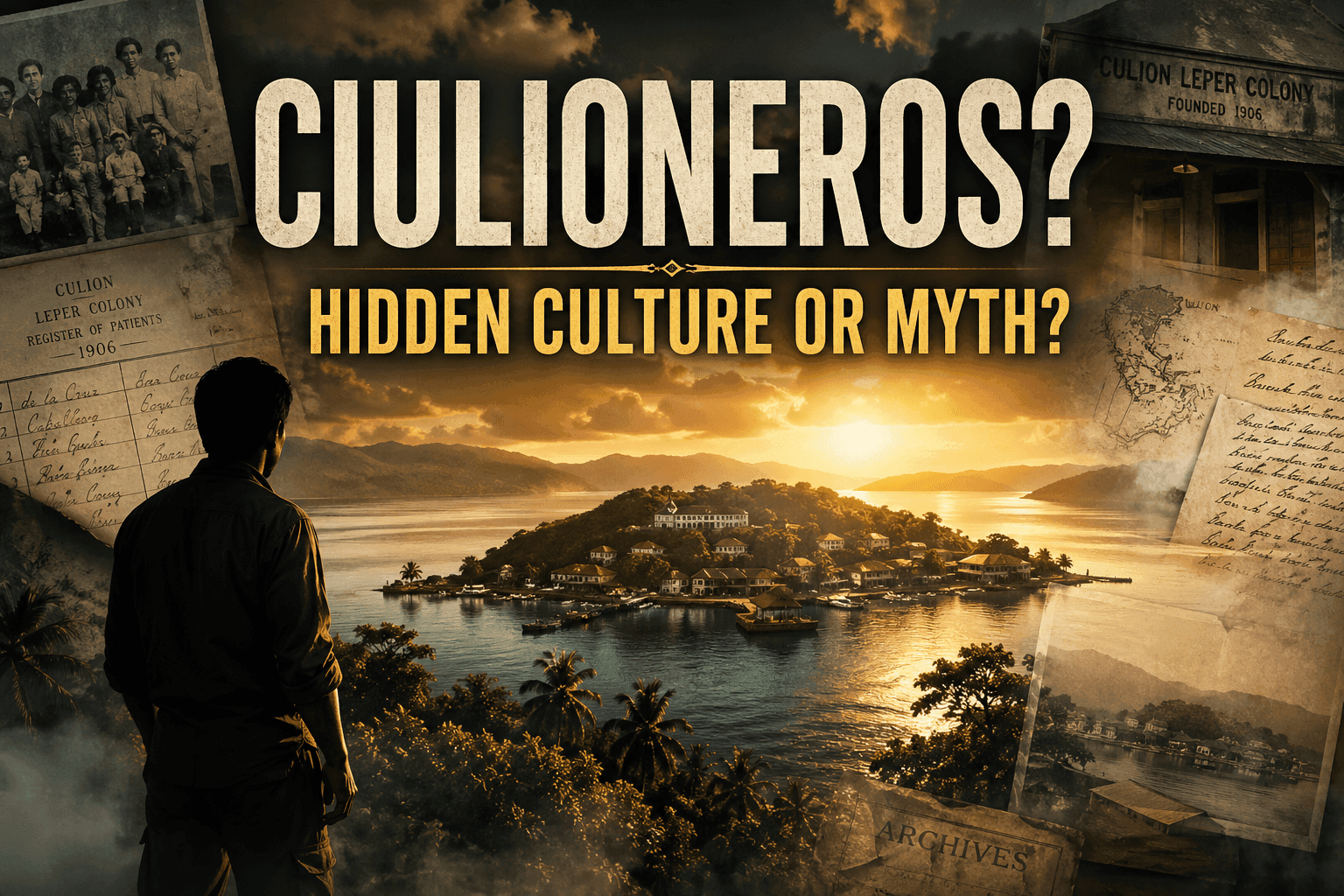
Ciulioneros is a term that is not fully clear or officially defined. Many online sources use it to discuss culture, identity, heritage, and community. It may also be linked with “Culioneros,” meaning people connected with Culion, Palawan. Because the term is unclear, it is best to explain it carefully.
2. Is ciulioneros a real historical group?
There is no strong proof that ciulioneros is the official name of an old historical group. Some pages describe it as a cultural identity, but many do not provide trusted sources. It is better to treat it as a cultural term with uncertain roots.
3. Is ciulioneros the same as Culioneros?
It may be related, but we cannot say both are always the same. Culioneros usually points to people from Culion, Palawan. Ciulioneros may be a spelling variation, online version, or separate term. Writers should mention this difference clearly.
4. Why is Culion connected with this topic?
Culion is connected because it has a deep history. It was once known for its leprosy colony and later became a place of healing, memory, and heritage. If ciulioneros is linked with Culioneros, then Culion’s history gives the word more cultural meaning.
5. Why are people searching for ciulioneros?
People search for ciulioneros because the word sounds rare and interesting. Many want to know if it is about a culture, place, people, or tradition. Its unclear meaning also creates curiosity, which makes readers look for simple explanations.
Disclaimer: This content is intended for general informational and entertainment purposes only. It does not promote, discuss, or focus on any form of sexuality or related topics. The material is purely neutral and created for a broad audience without any specific or sensitive intent.