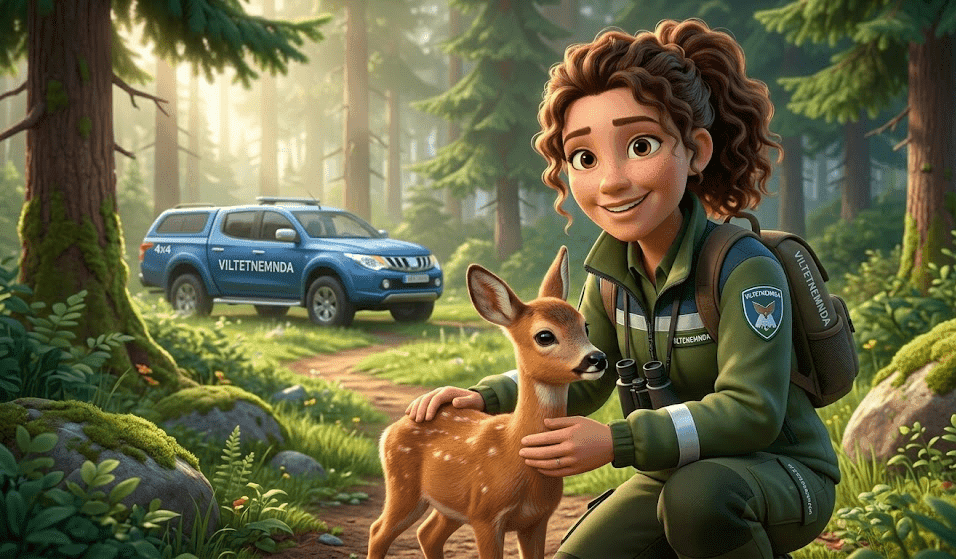
Viltnemnda is the name of the special group that looks after wild animals in your local area. Have you ever wondered who makes sure the deer, moose, and other forest friends stay safe? In Norway, these local committees are the real heroes of the woods. Their job is very important because they help humans and animals live together without any trouble. When an animal gets hurt or wanders too close to a busy road, these experts are the ones who step in to help. They make sure nature stays balanced and that everyone follows the rules of the forest.
In this guide, we will learn all about what a viltnemnda does every day. We will look at how they help during road accidents and how they manage hunting seasons. You don’t need to be a scientist to understand this. We will keep things simple so that even a young student can learn the basics. By the end, you will know exactly why these local groups are so vital for our environment and our safety.
What Exactly is a Viltnemnda?
In many Norwegian municipalities, there is a local committee or group called the viltnemnda. Their main goal is to manage wildlife within their specific area. Think of them as the “wildlife police” or “nature guardians.” They are usually chosen by the local government because they know a lot about animals and the outdoors. These members often have years of experience in hunting, farming, or biology. This hands-on knowledge helps them make the best choices for the local ecosystem.
Because every forest and mountain is different, having a local viltnemnda is very smart. A person living in a big city might not know what the deer in a small village need. By keeping the group local, the members can respond quickly to problems. They know which roads are dangerous for moose and which fields the deer like to visit. This local touch makes their work much more effective and helps build trust with the people living in the community.
Handling Wildlife Accidents on the Road
One of the most frequent jobs for the viltnemnda involves car accidents. Sometimes, a large animal like a moose might run across the road at night. If a car hits the animal, it can be very scary for the driver and painful for the creature. The committee has a special team that goes to the scene of the accident. They are trained to find hurt animals that might have run back into the woods. Their goal is to make sure the animal does not suffer for a long time.
When an accident happens, the police usually call the viltnemnda right away. These experts use tracking dogs to find the trail of the injured animal. Finding a hurt moose in a dark forest is hard work, but these teams are very skilled. They also help collect data on where these accidents happen most often. By tracking this information, they can suggest putting up warning signs or fences. This helps prevent future crashes and keeps both drivers and wildlife much safer on our roads.
Setting the Rules for Hunting Season
Hunting is a big part of life in many areas, but it must be done carefully. The viltnemnda helps decide how many animals can be hunted each year. They look at how many deer or moose are living in the forest. If there are too many, the animals might run out of food or cause too many car accidents. If there are too few, they need to be protected. The committee looks at the facts and sets a “quota,” which is a specific number of animals that can be harvested.
By setting these rules, the viltnemnda ensures that the wildlife population stays healthy. They work closely with local landowners and hunters to make sure everyone follows the law. They also check that hunters are using the right equipment and following safety rules. This careful management means that future generations will still be able to see beautiful animals in the wild. It is all about balance—making sure there is enough room for nature and enough resources for the animals to thrive.
Helping Farmers Protect Their Crops
Farmers often have a difficult relationship with wild animals. While moose and deer are beautiful, they can eat a lot of crops very quickly! A farmer might wake up to find their entire field of vegetables has been eaten overnight. When this happens, the farmer can reach out to the viltnemnda for advice. The committee helps find ways to keep animals away from the farms without hurting them. They might suggest better fencing or using certain smells that animals dislike.
In some cases, if the damage is very bad, the viltnemnda might allow the farmer to remove a specific animal. However, this is usually a last resort. They prefer to find “people-first” solutions that solve the problem peacefully. By acting as a middleman between the farmer and the forest, the committee helps reduce frustration. This work is essential for the local economy because it protects the food we eat while still respecting the lives of the wild animals nearby.
Keeping Track of Animal Health and Diseases
Just like humans, wild animals can get sick. Diseases can spread quickly through a herd of deer or elk. The viltnemnda keeps a close eye on the health of the local wildlife. If they find an animal that looks sick or is acting strange, they investigate the cause. Sometimes they take samples to send to scientists who study animal health. This early warning system is very important for stopping the spread of dangerous illnesses that could hurt many animals.
If a disease is found, the viltnemnda informs the public. They might tell hunters to look for specific signs or ask hikers to stay away from certain areas. By being proactive, they protect the entire ecosystem. Their work helps ensure that the meat from hunted animals is safe to eat and that the forest stays a healthy place. This “Trustworthiness” is a big part of why people rely on the committee’s updates and advice during the year.
Educating the Public About Nature
The viltnemnda doesn’t just work in the woods; they also work with people. They spend time teaching the community how to behave around wild animals. For example, they might visit schools to talk about what to do if you see a baby deer alone. Many people don’t know that you should never touch a fawn because the mother is usually nearby. These simple lessons help prevent accidents and keep the animals from being stressed by human contact.
They also provide information through local newspapers or websites. If there is a “problem bear” or a large moose wandering through town, the viltnemnda explains how to stay safe. They encourage people to keep their dogs on leashes and to drive slowly in wooded areas. By sharing their experience and expertise, they turn the whole community into better neighbors for the wildlife. Education is a powerful tool for conservation and local safety.
Managing Predators Like Wolves and Lynx
In some parts of Norway, there are big predators like wolves, lynx, and bears. These animals are very important for nature, but they can be scary for people who own sheep or cows. The viltnemnda plays a key role in managing these large carnivores. They help track where the predators are moving and how many of them are in the area. This helps the government make big decisions about how to protect both the predators and the livestock.
When a predator attacks a farm animal, the viltnemnda is often asked to inspect the site. They help determine if a wolf or a different animal was responsible. This is important for farmers who might need financial help after losing an animal. Balancing the lives of rare predators with the needs of local farmers is one of the hardest parts of their job. However, the committee’s local knowledge helps them handle these tense situations with fairness and care.
Why Local Knowledge Matters Most
You might wonder why we don’t just have one big office in the capital city run everything. The reason is that nature is local. A viltnemnda in the north deals with very different issues than one in the south. In the north, they might worry more about reindeer and deep snow. In the south, they might deal with more car traffic and urban deer. Local members understand the specific mountains, rivers, and forests in their own backyard.
This local focus also means they can move fast. If a moose is trapped in a backyard fence, the local viltnemnda can be there in minutes. They know the shortcuts and the local people who can help. This quick response can often save an animal’s life. It also makes the community feel supported. Knowing that there are local experts watching over the woods gives people peace of mind when they go out for a hike or a drive.
Working with the National Government
While the viltnemnda is local, they are part of a much bigger system. They follow the national laws set by the Norwegian government. Every year, they report their data back to national wildlife agencies. This information includes how many animals were hunted, how many died in accidents, and any signs of disease. This “Big Picture” data helps the whole country understand how wildlife populations are changing over time.
This partnership is a great example of teamwork. The national government provides the laws and the funding, while the viltnemnda provides the local action and eyes on the ground. Together, they create a strong safety net for the environment. This ensures that the rules are the same across the country, but the way they are applied fits the local needs. It is a smart way to manage nature that respects both the law and the land.
How You Can Help the Viltnemnda
You don’t have to be a member of the committee to help our wildlife. The most important thing you can do is report accidents immediately. If you hit an animal with your car, or if you see an injured animal, call the police or the local viltnemnda. Don’t be afraid! They are there to help, not to punish you. Reporting the accident quickly is the best way to make sure the animal doesn’t suffer and that the road stays safe for others.
You can also help by following local rules. Keep your trash cans closed so bears or foxes don’t get into them. Follow the rules for leashing your dog, especially during the spring when baby animals are born. By being a responsible neighbor, you make the job of the viltnemnda much easier. We all share this planet, and by working together, we can make sure our forests stay full of life and our communities stay safe.
FAQs
1. Who can join a viltnemnda? Members are usually appointed by the local municipality. They are often people with a lot of experience in the outdoors, like hunters, foresters, or farmers. They need to have a deep understanding of local wildlife and nature laws.
2. If my car hits a deer, what should I do? First, make sure you and your passengers are safe. Pull over and turn on your hazard lights. Then, call the police at 02800 (in Norway). They will contact the viltnemnda for you. Do not try to approach the injured animal yourself.
3. Does the viltnemnda only deal with hunting? No! While hunting management is a big part of their work, they also handle road accidents, animal diseases, and conflicts between wildlife and farmers. They are general experts for all things related to wild animals in your area.
4. Why are some animals hunted more than others? The viltnemnda looks at the population size. If there are too many moose, they might eat all the young trees or cause accidents. Hunting helps keep the population at a level that the forest can support.
5. Can I call the viltnemnda if a fox is in my garden? Usually, the committee deals with larger wildlife or emergency situations. For a small animal like a fox, they might give you advice on how to make your garden less attractive to it, but they won’t usually come to remove it.
6. Is the viltnemnda a paid job? Most members are part-time or volunteers who receive a small fee for their meetings and emergency calls. They do this work because they care deeply about nature and their local community.
Conclusion
The viltnemnda plays a quiet but vital role in our daily lives. Without them, our roads would be more dangerous, our farms would suffer more damage, and our wildlife populations might become unhealthy. They provide the care needed to manage the complex world of nature. By balancing the needs of humans and animals, they ensure that we can enjoy the beauty of the wilderness without fear.
READ ALSO: Serum Qawermoni
About the Author
