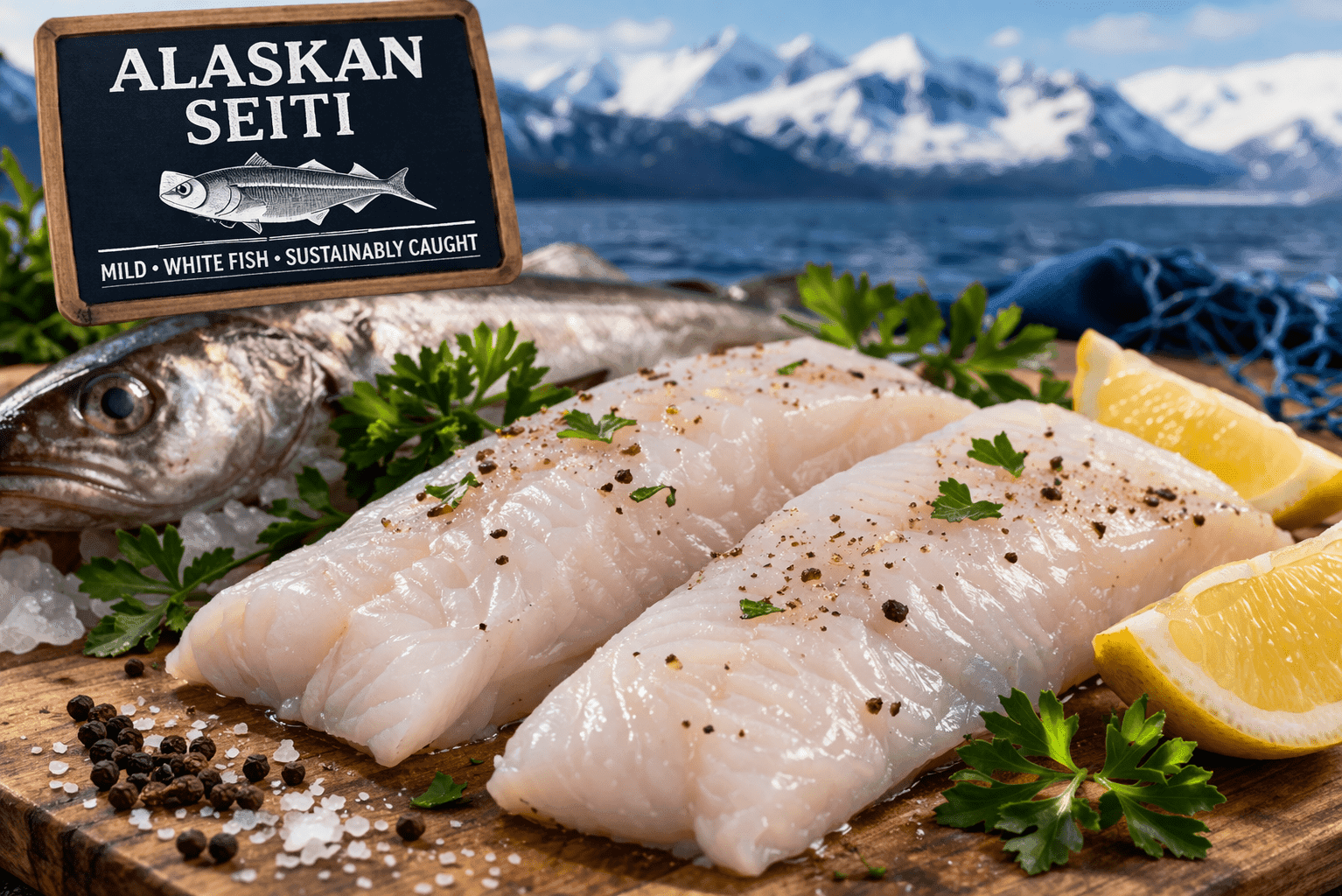
If you have heard the term ” Alaskan seiti and wondered what it means, you are not alone. In many food markets, this name is used for Alaska pollock, also called walleye pollock. It is a mild white fish from the North Pacific, and it is known for being easy to cook, gentle in taste, and useful in many meals. NOAA says Alaska pollock is a key species in one of the world’s largest fisheries, and it is widely distributed in the North Pacific, with major concentrations in the eastern Bering Sea.
What makes Alaskan Seiti interesting is how simple it is. It is not a fish with a strong smell or sharp flavor. It is a fish that fits into everyday cooking. You can bake it, fry it, pan-sear it, or use it in sandwiches. It is also high in protein and low in carbohydrates and fat, which is one reason many people choose it for lighter meals. In this guide, I will walk through what it is, why people like it, how to cook it, and how to buy it with confidence.
What Is Alaskan Seiti?
Alaskan seiti is generally understood as Alaska pollock, a fish with the scientific name Gadus chalcogrammus. NOAA identifies it as a semipelagic schooling fish, and FAO lists the same species under the common name Alaska pollock. That means it lives and moves in groups, and it is part of a large, managed commercial fishery. The fish is also known by other names, such as pollock, walleye pollock, and Pacific pollock.
This matters because names can be confusing. Some people say “seiti,” while others say “pollock.” The fish itself is the same idea in most kitchens and market settings. When you see alaskan seiti in a food article, recipe, or store description, it is usually pointing to that mild white fish from Alaska and the North Pacific. For this guide, I use the term in that common food sense, so the rest of the article stays practical and easy to follow.
Why Alaskan Seiti Is So Popular
One reason Alaskan seiti is so popular is that it works well for many people. NOAA describes Alaska pollock as a mild-tasting fish, and that mild taste makes it easier for picky eaters, children, and anyone who does not want a strong fish flavor. It is also used in many familiar foods, including surimi, which is the fish base used in imitation crab, and fried fillet sandwiches. That wide use makes it a very practical fish for homes and restaurants.
Another reason is value. NOAA says the Alaska pollock fishery is one of the world’s largest and most valuable fisheries, and it is managed under U.S. regulations. That helps explain why the fish is so common in stores and frozen seafood sections. People like foods that are easy to find, easy to cook, and affordable enough to use often. Alaskan seiti checks those boxes well, which is why it keeps showing up in simple weeknight meals and large-scale food products.
Nutritional Benefits of Alaskan Seiti
From a nutrition point of view, alaskan seiti has a lot going for it. NOAA says Alaska pollock is high in protein and low in carbohydrates and fat. That makes it a useful choice when someone wants a filling meal without a heavy feel. Fish also fits into healthy eating patterns recommended by the Dietary Guidelines for Americans, and the FDA says seafood is part of a healthy diet. For many families, that means pollock can be a smart regular option, not just an occasional dinner.
This does not mean it is a magic food. It simply means it gives good value in a simple package. If you want a meal that feels light but still satisfies, Alaskan seiti can help. It pairs well with rice, potatoes, vegetables, or bread. It also works in soups or baked dishes where the fish should support the meal instead of taking over the flavor. That is why many people see it as a good everyday protein.
Is Alaskan Seiti a Safe Fish to Eat?
For most people, alaskan seiti is considered a safe and sensible seafood option when handled and cooked properly. NOAA says U.S. wild-caught Alaska pollock is a “smart seafood choice” because it is sustainably managed and responsibly harvested under U.S. regulations. The FDA also advises choosing a variety of fish that are lower in mercury, especially for pregnant or breastfeeding people and children.
FDA’s mercury data table lists pollock with a mean mercury concentration of 0.031 ppm in the commercial-fish data set it reviewed, which places it among the lower-mercury fish compared with many larger predatory species. That does not mean “no mercury,” but it does support why pollock is often seen as a better everyday choice than some other seafood options. As always, proper storage, clean handling, and full cooking matter a lot for food safety.
How Alaskan Seiti Is Caught and Managed
The story behind Alaskan seiti is not only about food. It is also about fisheries management. NOAA explains that Alaska pollock is managed as part of the Alaska groundfish complex and that managers adjust harvest amounts based on pollock population levels and other factors. NOAA also says the fishery is managed under U.S. regulations and that the stocks it monitors are not overfished or subject to overfishing in the listed assessments.
That kind of management matters because fishing pressure can hurt ocean life when it is not controlled. NOAA notes that the fishery uses pelagic trawl gear with minimal habitat impact, and it also reports incidental catch of other species at less than 1 percent. In simple words, Alaskan seiti is not just popular because it tastes good. It is also widely known because it comes from a fishery with strong oversight and a sustainability story that many shoppers care about.
What Alaskan Seiti Tastes Like
The taste of Alaskan seiti is one of its biggest strengths. NOAA describes Alaska pollock as mild-tasting, and that mildness makes it a flexible fish in the kitchen. It is not a fish that overwhelms your plate. Instead, it acts like a calm base that can take on seasoning well. That is useful for families, because one fish can fit many different meal styles without needing a different recipe every time.
Its texture is usually soft and flaky when cooked well. That means it can break apart gently with a fork, which is helpful in tacos, fish sandwiches, rice bowls, or baked dinners. Many cooks like Alaskan seiti because it stays simple. You can add lemon, garlic, pepper, herbs, or a light sauce, and the fish still feels natural. It is a good match for people who want seafood without a strong “fishy” taste.
Best Ways to Cook Alaskan Seiti
There are many good ways to cook Alaskan seiti, and most of them are easy. You can bake it in the oven, pan-sear it in a skillet, air-fry it, or gently simmer it in a stew. NOAA says the fish is commonly sold in fillets, headed and gutted, and also used in fried fillet sandwiches and surimi products. That shows how versatile it is in real kitchens.
A simple home method is often best. Light seasoning, a little oil, and a short cooking time can be enough. Because the fish is mild, it works well with lemon, black pepper, garlic, paprika, dill, or a small amount of butter. One practical tip is not to overcook it. Like many white fish, it can dry out if left on the heat too long. Alaskan seiti is at its best when it stays tender and moist.
Easy Meal Ideas for Busy Days
One of the nicest things about Alaskan seiti is how easily it fits into quick meals. On a busy day, you can bake it and serve it with steamed vegetables. You can also flake it into a rice bowl with cucumber, sauce, and greens. If you want comfort food, you can make fish sandwiches or simple fish tacos. NOAA notes that pollock is already used in fried fillet sandwiches and surimi, which shows how well it fits everyday food styles.
It also works well for family dinners because the flavor is gentle. Children who do not enjoy strong seafood often accept mild fish more easily. That makes Alaskan seiti a practical way to add seafood to the week without a big battle at the table. If you keep the seasoning simple and the sides familiar, it becomes a meal that feels safe, easy, and comforting.
How to Buy Good Alaskan Seiti
Buying Alaskan seiti is easier when you know what to look for. Fresh fish should look clean, smell mild, and feel firm. Frozen fillets should be well sealed and should not show heavy freezer burn. NOAA says pollock is sold in several forms, including fillets and headed and gutted fish, so that you may see different packaging depending on the store. The key is to choose a product that looks neat, cold, and properly labeled.
It is also smart to check whether the seller gives clear species information. Since names can vary across regions, alaskan seiti may appear under different seafood labels. A clear label helps you know what you are getting. If the fish is frozen, make sure the package is sealed and not damaged. If it is fresh, ask when it arrived. Good buying habits reduce waste and help you bring home a fish that cooks well and tastes better.
Alaskan Seiti in Sustainable Eating
Many people choose alaskan seiti because it fits into a more responsible way of eating seafood. NOAA says U.S. wild-caught Alaska pollock is sustainably managed and responsibly harvested, and it also calls it a smart seafood choice. In a world where people worry about ocean health, that kind of information matters. It gives shoppers a reason to feel better about the food on the plate.
Sustainability is not just a big word. It means the fishery is managed in a way that tries to support future supply, too. NOAA says harvest levels are adjusted based on stock conditions, and the fishery uses gear with minimal habitat impact and low bycatch. That makes Alaskan seiti appealing to people who care about both dinner and the ocean. It is a strong example of how seafood can be useful, tasty, and more responsibly sourced at the same time.
Common Myths About Alaskan Seiti
A common myth is that Alaskan seiti must taste strong or smell bad. That is not true for well-handled pollock. NOAA describes it as mild-tasting, and that is part of its appeal. Another myth is that mild fish is boring. In reality, mild fish can be a huge advantage because it absorbs flavors from herbs, spices, sauces, and marinades very well. That makes it easy to turn one fish into many different meals.
Another mistake is thinking all fish are the same. They are not. Pollock has its own place in cooking, nutrition, and fisheries management. Alaskan seiti is useful because it is simple, not because it pretends to be something else. Once you understand that, it becomes easier to cook it well and enjoy it more often. A good fish does not need to be fancy to be valuable. Sometimes plain and steady is exactly what a home kitchen needs.
A Practical Way to Add Alaskan Seiti to Your Week
If you want to eat more seafood, Alaska Seafood is one of the easiest places to start. It is mild, widely available, and simple to prepare. FDA says seafood can be part of a healthy eating pattern, and the Dietary Guidelines recommend at least 8 ounces of seafood per week for a 2,000-calorie diet. That makes pollock a very practical option for people trying to build better meal habits without overthinking every plate.
A useful way to begin is to cook it once a week in a form your family already enjoys. Try baked fillets with rice one night, then use leftovers in a sandwich or bowl the next day. That keeps cooking waste low and makes the fish easier to enjoy. Alaskan seiti works best when it feels familiar, simple, and easy to repeat. That is how a good food becomes a regular part of life, not just a one-time recipe.
Conclusion
Alaskan seiti is a simple fish with a lot of everyday value. It is mild, flexible, high in protein, and easy to cook in many styles. It also comes from a fishery that NOAA describes as sustainably managed and responsibly harvested under U.S. regulations. For many people, that mix of taste, nutrition, and practical use is exactly what they want in a weeknight seafood choice.
If you have been looking for a fish that is easy to start with, this one deserves a place on your list. Try it in a simple baked dish, a sandwich, or a light rice bowl. Once you see how easy it is to work with, Alaskan seiti may become one of those quiet kitchen favorites you keep buying again and again.
FAQs
1) What is Alaskan seiti?
Alaskan seiti is commonly used to mean Alaska pollock, also known as walleye pollock. NOAA and FAO both identify it as Gadus chalcogrammus. It is a mild white fish from the North Pacific, and it is used in many seafood products and home-cooked meals.
2) Does alaskan seiti taste fishy?
No, it is usually mild in taste. NOAA describes Alaska pollock as a mild-tasting fish, which is one reason it works so well for people who do not enjoy strong seafood flavors. It is often easier to season than stronger fish.
3) Is Alaskan seiti healthy?
Yes, it can be a healthy choice when cooked in a simple way. NOAA says it is high in protein and low in carbohydrates and fat. The FDA also says seafood is part of a healthy eating pattern, and the Dietary Guidelines encourage regular seafood intake.
4) Is alaskan seiti low in mercury?
FDA’s mercury data table lists pollock at a mean of 0.031 ppm in its commercial-fish review, which supports its reputation as a relatively lower-mercury option. FDA still advises eating a variety of fish and following its guidance for pregnancy, breastfeeding, and children.
5) How should I cook Alaskan seiti?
The easiest methods are baking, pan-searing, or air-frying. NOAA says pollock is commonly sold as fillets and is also used in fried fillet sandwiches and surimi, which shows how flexible it is. Keep the seasoning simple and do not overcook it.
6) Why do people choose Alaskan seiti so often?
People like Alaskan seiti because it is easy, mild, and practical. NOAA says the fishery is large and well managed, and the fish itself works in many recipes. It gives home cooks a reliable seafood option that is not hard to prepare.
READ MORE: Viltnemnda: 10 Amazing Benefits of Having Local Wildlife Experts
{ “@context”: “https://schema.org”, “@graph”: [ { “@type”: “Recipe”, “name”: “Alaskan Seiti”, “image”: “https://www.coomersu.blog/wp-content/uploads/2026/03/image-1.png”, “author”: { “@type”: “Person”, “name”: “Coomersu”, “url”: “https://www.coomersu.blog” }, “datePublished”: “2026-03-31”, “description”: “Discover alaskan seiti, a mild, healthy white fish. Learn its benefits, taste, cooking tips, and why it’s perfect for easy meals.”, “prepTime”: “PT15M”, “cookTime”: “PT30M”, “totalTime”: “PT45M”, “keywords”: “Alaskan Seiti, seafood recipe, Alaska fish”, “recipeYield”: “4 servings”, “recipeCategory”: “Main Course”, “recipeCuisine”: “Alaskan”, “mainEntityOfPage”: { “@type”: “WebPage”, “@id”: “https://www.coomersu.blog/foods/alaskan-seiti/” }, “publisher”: { “@type”: “Person”, “name”: “Coomersu”, “logo”: { “@type”: “ImageObject”, “url”: “https://www.coomersu.blog/wp-content/uploads/2026/03/image-1.png” } } }, { “@type”: “BlogPosting”, “headline”: “Alaskan Seiti Recipe”, “image”: “https://www.coomersu.blog/wp-content/uploads/2026/03/image-1.png”, “author”: { “@type”: “Person”, “name”: “Coomersu” }, “publisher”: { “@type”: “Person”, “name”: “Coomersu” }, “url”: “https://www.coomersu.blog/foods/alaskan-seiti/”, “mainEntityOfPage”: { “@type”: “WebPage”, “@id”: “https://www.coomersu.blog/foods/alaskan-seiti/” } } ] }About the Author
